Introduction
Summer painting in our region means working around real heat, and the National Weather Service’s climate data for Northwest Arkansas shows the area receives nearly 75 percent of possible sunshine during summer months, with several days each season topping 100 degrees. Knowing the best time of day to paint, rather than ignoring the heat, makes a measurable difference in how a paint job turns out.
Why Early Morning Isn’t Always the Best Start Time
It might seem logical to start as early as possible to beat the heat, but very early morning often comes with a complication of its own: dew. Painting over a surface with overnight moisture still on it traps that moisture under the new coat, leading to the same adhesion problems caused by rain. Waiting until dew has fully evaporated, typically an hour or two after sunrise depending on humidity, is usually a better starting point than painting the moment the sun comes up.
The Late Morning Window
Once morning dew has cleared but before the afternoon sun reaches peak intensity, late morning generally offers the best time of day to paint on most summer days. Surface temperatures are warm enough for proper paint chemistry to work correctly, but not yet hot enough to cause the fast drying and adhesion problems that come with peak afternoon sun.
Why Afternoons Get Tricky in Peak Summer
By early to mid afternoon, direct sun exposure can push wall surface temperatures well above safe application ranges, especially on south and west facing walls. This is typically when we shift crews to shaded elevations of a home rather than continuing on a sun exposed wall, or pause certain sections until conditions improve later in the day or the following morning.
Early Evening as a Secondary Option
As the sun’s angle drops in early evening, surface temperatures begin to cool, which can create a second reasonable window for exterior work on particularly hot days. The tradeoff is a shorter overall working period before dusk, and painting too close to evening risks not leaving enough dry time before overnight humidity or dew sets back in, so this window works best for finishing touches rather than starting a large new section.
How We Plan Daily Schedules Around These Windows
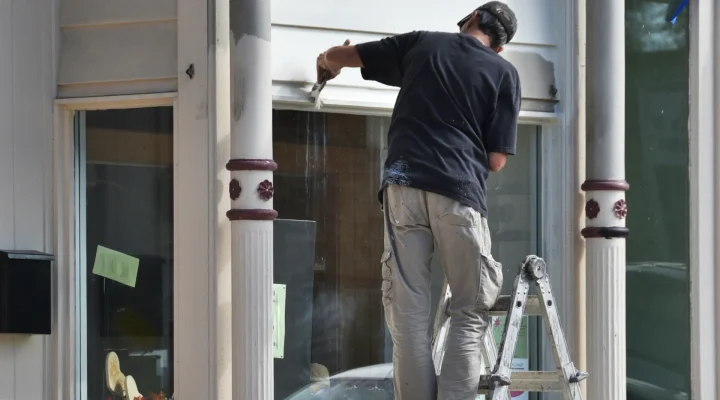
Rather than working a fixed schedule regardless of conditions, our crews plan each day around actual weather, moving between shaded and sun exposed walls as the sun changes position. On the hottest days, this sometimes means starting earlier and finishing earlier, or splitting a wall’s completion across two different times of day to avoid the harshest hours entirely while still making steady progress on the project.
What This Means for Your Project Timeline
Homeowners scheduling a summer paint job should expect some flexibility in the daily start and stop times compared to a spring or fall project, since crews are actively working around the sun rather than a fixed clock. This approach takes a bit more planning on our end, but it consistently produces a better, longer lasting finish than pushing through regardless of conditions just to stick to a rigid schedule.
We are happy to explain our daily plan at the start of a summer project so homeowners know roughly what to expect each day, even as the specific schedule shifts slightly based on that morning’s weather and temperature outlook.
Frequently Asked Questions
Is it okay to paint at midday in the summer?
It depends on which side of the house, since a shaded elevation can still work fine at midday while a sun exposed wall often should wait.
Does the best time of day to paint change by season?
Yes, spring and fall allow more flexibility throughout the day, while summer requires more careful scheduling around peak heat hours.
How long after sunrise should you wait to start painting?
Waiting until any overnight dew has fully evaporated, often an hour or two after sunrise, generally produces better results than starting immediately.
Can painting continue into the evening in summer?
It can for finishing touches, but starting large new sections too late in the day risks insufficient dry time before overnight moisture returns.
Does cloud cover change the best time to paint?
Yes, overcast days can extend the usable painting window since surfaces do not heat up as dramatically as they do in direct sun.
Is weekday or weekend timing different for exterior painting?
The day of the week does not affect drying conditions, though scheduling flexibility can help crews take advantage of the best weather windows regardless of the calendar.
Can a homeowner request a specific start time for their project?
We are happy to discuss preferences, though the final daily schedule is guided primarily by weather conditions to protect the quality of the finished work.
How far in advance should a summer project be scheduled?
Booking several weeks ahead is generally a good idea, since summer is a popular season for exterior projects and good weather windows fill up quickly.
Can painting continue on cloudy summer days regardless of time?
Cloudy days often extend the usable painting window throughout the day, though surface dryness and any recent rain still need to be checked before starting.
Is fall generally easier to schedule than summer for exterior painting?
Yes, fall typically offers more consistent mild temperatures throughout the day, which reduces the need for the kind of careful scheduling summer heat requires.
What time does a typical summer paint crew start their day?
Many crews begin between 7 and 8 in the morning once dew has cleared, though exact start times shift slightly based on that day’s forecast.
Conclusion
Summer painting in Northwest Arkansas is entirely doable with the right schedule built around real weather rather than a fixed clock. Our crews adjust daily plans to find the best time of day to paint on each specific wall of your home. Request a free estimate and we will map out a summer schedule that protects your paint job.