Introduction
Northwest Arkansas summers bring exactly the kind of heat that makes homeowners and even some crews wonder whether it makes sense to paint outside at all. According to the National Weather Service’s summer climate data for our region, average highs run from the mid 80s in June into the low to mid 90s by July and August, with several days each summer topping 100 degrees. Here is when it actually becomes too hot to paint outside, and how we plan around it.
Why Surface Temperature Matters More Than Air Temperature
A thermometer reading on the news might say 90 degrees, but a south or west facing wall in direct sun can easily run 20 to 30 degrees hotter than that. Most paint manufacturers list a maximum application temperature closer to 90 to 100 degrees, and that limit is based on surface temperature, not the shaded air temperature most weather reports use. This is why a wall can be too hot to paint outside even on a day that does not feel unreasonably hot standing in the shade.
What Happens When You Paint in Extreme Heat
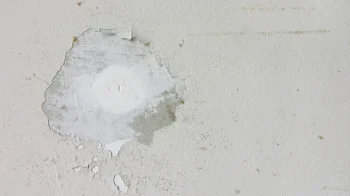
Paint applied to a surface that is too hot dries on the outside before it has a chance to properly bond to the substrate underneath. This creates a weak film that is prone to blistering, poor adhesion, and premature peeling, sometimes within the very first season after application. Brush and roller marks also become harder to blend in extreme heat, since the paint sets before it has time to level out smoothly.
Heat Safety Risks for the Crew, Not Just the Paint
Product performance is only part of the equation. OSHA’s guidance on heat exposure identifies outdoor work in hot conditions as a serious occupational hazard, since heat related illness can affect fine motor performance and lead to far more serious health outcomes if not managed properly. A responsible painting company factors crew safety, not just paint chemistry, into the decision about when conditions are simply too hot to paint outside safely.
How We Schedule Around Arkansas Heat
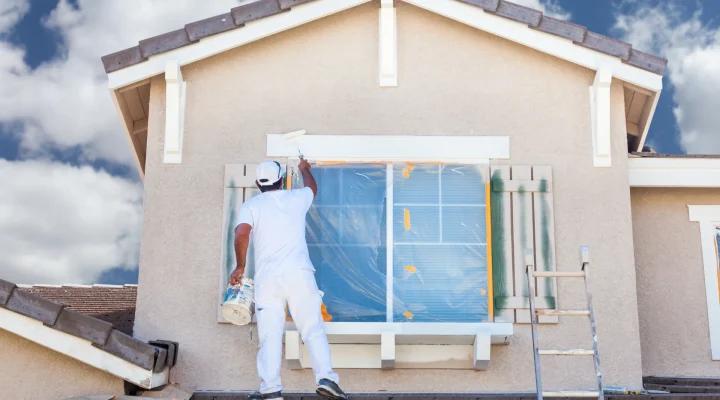
Rather than canceling projects outright during hot stretches, we adjust the schedule. Crews start earlier in the morning to take advantage of cooler surface temperatures, work the shaded side of a house during peak afternoon heat, and build in more frequent water breaks for the team. On the hottest days, some sections may simply wait until early morning the following day rather than risk a poor bond in the afternoon sun.
Signs a Project Should Pause for the Day
If a surface feels too hot to comfortably hold your hand against for more than a few seconds, that wall is very likely past a safe painting temperature at that moment. Paint that starts to feel tacky or begins showing brush marks that will not smooth out is another clear sign that conditions have moved past what the product can handle well, regardless of what the forecast says the air temperature is.
Planning a Realistic Summer Timeline
Homeowners sometimes assume a summer exterior project will move at the same daily pace as a spring or fall job, but heat driven scheduling adjustments can extend the overall timeline by a day or two on a larger home. We build this expectation into every summer estimate upfront, so there are no surprises about pacing once the crew is actually on site working around the day’s heat.
Homes with larger south or west facing walls, less tree cover, or darker existing colors that absorb more heat tend to see the biggest scheduling impact, which is another factor we walk through with homeowners before a summer project begins.
Frequently Asked Questions
What temperature is too hot to paint a house exterior?
Once surface temperatures climb above roughly 90 to 100 degrees, most paints will not bond and level properly, even if the shaded air temperature reads cooler.
Can you paint in Arkansas during July and August?
Yes, but it requires careful scheduling around morning hours and shaded walls rather than working whichever side of the house is convenient at midday.
Does humidity make heat worse for painting?
Yes, high humidity slows drying even further and can compound the problems caused by high surface temperatures.
Is it safe for painters to work in extreme heat?
It requires precautions like frequent breaks, hydration, and schedule adjustments, which is why responsible companies plan projects around the hottest parts of the day.
What is the best time of year to avoid heat issues when painting in Arkansas?
Late spring and early fall generally offer milder temperatures that make scheduling around heat far less of a concern than peak summer months.
Do professional crews take breaks during extreme heat?
Yes, frequent hydration and shade breaks are standard practice, and schedules are often adjusted to avoid the most dangerous midday heat hours.
Should exterior projects be avoided entirely in July and August?
Not necessarily, though scheduling flexibility and realistic timelines become more important during the hottest weeks of the year.
Do darker colored homes face bigger heat challenges when repainting?
Yes, dark existing colors absorb more heat, which can make surfaces reach unsafe painting temperatures earlier in the day than lighter colored homes.
What should homeowners do to prepare for a summer exterior project?
Clearing access around the home, securing pets away from work areas, and staying flexible on exact daily timing all help a summer project run smoothly.
Do painting companies charge more for summer scheduling adjustments?
Most reputable companies build weather-based scheduling into their standard process without extra charges, since it is simply part of doing the work correctly.
Can indoor projects be scheduled during heat waves instead?
Yes, shifting to interior work during the hottest stretches is a common way to keep a project moving without compromising exterior paint quality.
Conclusion
Arkansas summers are genuinely hot, but that does not mean exterior projects have to stop entirely. Our crews plan every summer project around the sun’s path and real surface temperatures, not just the number on a weather app. Request a free estimate and we will build a schedule that protects both your paint job and our team.