Introduction
Paint needs a certain amount of open time to flow, level, and bond properly to the surface underneath it. When summer heat speeds up that drying process too much, the results are rarely obvious the day the paint goes on, but they tend to show up in frustrating ways within the first year.
Why Heat Speeds Up Drying So Much
Paint dries through evaporation of the water or solvent that carries the pigment and binder. Higher temperatures accelerate that evaporation dramatically, and on a hot surface in direct sun, the outer layer of paint can form a skin within minutes rather than the intended timeframe built into the product’s formulation. That fast surface skin traps the still wet paint underneath, which cannot properly bond to the substrate or fully cure the way it would under normal conditions.
Visible Signs Paint Dried Too Fast
Brush and roller marks that never smooth out are one of the clearest signs, since paint that dries too quickly does not have time to level itself into a uniform film. Lap marks, where overlapping sections show a visible line, also become far more common when paint drying too fast heat conditions shorten the window painters have to blend adjoining areas together. In more extreme cases, the surface can develop a slightly gritty or textured feel rather than the smooth finish the product is designed to produce.
Why This Leads to Early Paint Failure
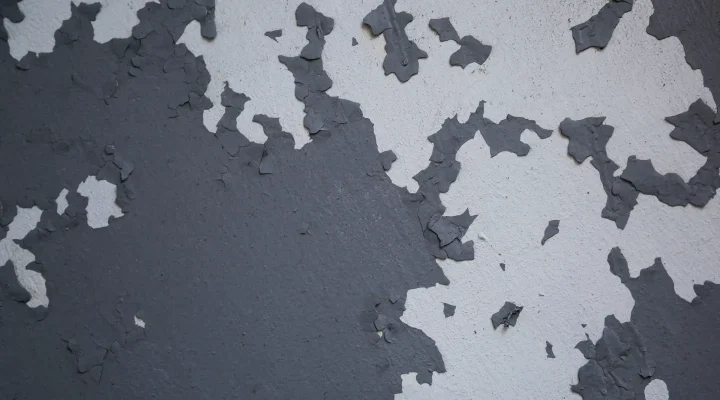
Extremely high temperatures, generally above 100 degrees, can cause a paint film to dry before it has a chance to properly adhere to the surface, according to Sherwin-Williams’ own product application guidance. That weak bond is often invisible immediately after painting, but it becomes the underlying cause when peeling or blistering shows up within the following one to two years, well ahead of when a properly applied coat should start showing wear.
How to Slow Down Drying in Hot Weather
Painting in the shade rather than direct sun is the single most effective adjustment, since it can lower the working surface temperature by a significant margin compared to a sun exposed wall. Scheduling work for early morning hours before the day heats up, and using paint products specifically formulated with extended open time for hot weather application, are additional ways to give the film enough time to properly level and bond even during a warm stretch.
How We Adjust Products and Technique for Summer Projects
On projects scheduled during the hottest stretch of summer, we sometimes shift to paint products specifically formulated to resist paint drying too fast heat conditions, since these formulas are engineered with a longer open time built in. Application technique also changes, with smaller sections and more attention to maintaining a wet edge, since the margin for error shrinks considerably once temperatures climb into the upper 90s.
What to Do If You Suspect This Happened to Your Home
If a relatively recent paint job is already showing peeling, blistering, or persistent brush marks that never smoothed out, heat related application issues are a common culprit worth investigating. An inspection can usually determine whether the problem stems from surface prep, product choice, or the conditions during application, which helps determine the right fix rather than simply repainting over the same underlying issue.
Why Prevention Beats Repair Every Time
Correcting a paint job damaged by fast heat drying almost always costs more than the extra planning it would have taken to avoid the problem in the first place, since failed sections often need to be scraped back to bare substrate before a proper repaint can happen. This is why we would rather adjust a project’s daily schedule around the weather than rush through a job during conditions that are working against the paint from the start.
A homeowner who insists on a fixed schedule regardless of forecasted heat is often setting the project up for exactly this kind of early failure, which is a tradeoff worth discussing honestly before work begins rather than after problems appear.
Frequently Asked Questions
Can paint dry too fast even in the shade?
It is less common, but very low humidity combined with wind can still speed up drying somewhat even out of direct sun.
Does paint drying too fast in heat affect color?
It can cause slight unevenness in sheen and color consistency, especially where lap marks or brush marks did not have time to blend properly.
How soon do problems from heat related drying show up?
Some issues like visible brush marks are noticeable immediately, while adhesion problems like peeling often do not appear until months or a year later.
Are some paint brands better for hot weather application?
Yes, several manufacturers offer products specifically formulated with extended open time for application in hot conditions.
Can a fan or misting help slow paint drying outdoors?
Misting the surface is not generally recommended, but working in shade and timing around cooler parts of the day is the more reliable approach.
Can primer help reduce fast drying issues in heat?
A quality primer improves adhesion generally, but it does not eliminate the need to manage surface temperature and timing during hot weather application.
Does spraying reduce the risk of paint drying too fast in heat?
Spraying can help with speed of application, but it does not eliminate the underlying issue of a surface that is simply too hot for proper bonding.
Can a second coat fix a first coat that dried too fast?
Sometimes it improves appearance, but it does not fix underlying adhesion problems, which may still surface as peeling later regardless of additional coats.
Are metal and vinyl surfaces more prone to fast drying issues than wood?
Metal and vinyl can heat up quickly in direct sun, which makes them just as susceptible to fast drying problems as wood siding under the same conditions.
Conclusion
Fast drying in extreme heat is one of those problems that is invisible on install day but expensive to fix later. Our crews plan projects around shade, timing, and product selection specifically to avoid paint drying too fast heat issues before they start. Contact us for a free estimate and a realistic summer painting schedule.