Introduction
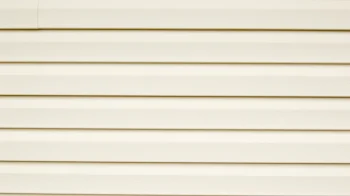
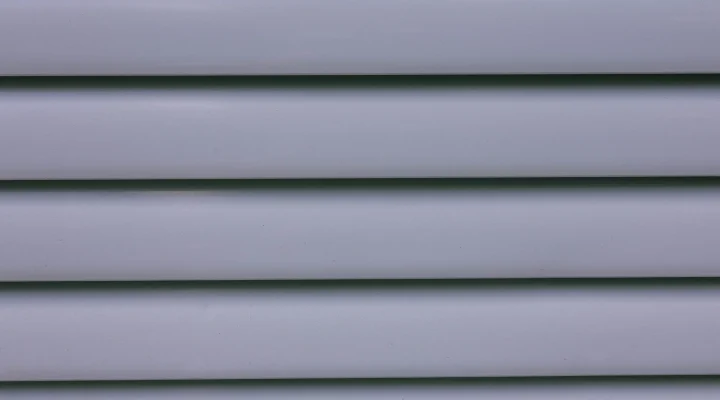
Vinyl siding has a reputation for being low maintenance, but it is not maintenance free, especially once a homeowner decides to paint over it. A lot of people ask us what kind of vinyl siding paint lifespan they should expect before their next touch up or full repaint.
The honest answer depends on a handful of factors including the paint product used, the color chosen, and how much direct sun the siding gets throughout the day. Here is what actually drives that timeline.
What Determines How Long Paint Lasts on Vinyl
Vinyl is a flexible plastic material that expands and contracts more than wood or fiber cement with temperature swings. Paint applied to vinyl needs enough elasticity to move with the material without cracking or peeling. Products specifically formulated for vinyl, often labeled as vinyl safe paint, are engineered with this flexibility built in, which is a major reason they outlast a standard exterior paint applied to the same surface.
Surface prep also plays a role. Vinyl siding that has not been washed to remove chalking, mildew, or pollen before painting will see the new coat fail years ahead of schedule, regardless of how good the paint itself is.
Why Color Choice Affects Vinyl Siding Paint Lifespan
Dark colors absorb more heat than light colors, and vinyl siding is particularly sensitive to heat buildup. A dark color on vinyl can cause the panels to warp or buckle if the paint is not rated for that level of heat absorption. Sherwin-Williams’ VinylSafe color program publishes a Light Reflectance Value, or LRV, for their vinyl safe products, and staying above the recommended LRV threshold for your specific siding brand helps protect both the paint and the vinyl underneath it.
This is one of the most common mistakes we see homeowners make when they fall in love with a trendy dark color without checking whether it is safe for their siding material.
How Sun Exposure Shortens the Timeline
South and west facing walls that take direct afternoon sun will show fading, chalking, and general wear years before shaded elevations on the same home. It is common for one side of a house to need attention while the rest still looks fresh, which is why a full home repaint schedule should really be based on the worst performing wall rather than an average across the whole exterior.
Signs Your Vinyl Siding Paint Needs Attention
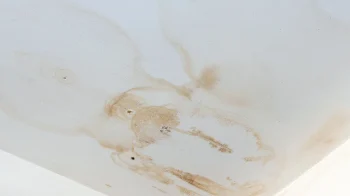
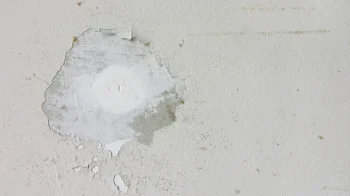
Chalky residue on your hand after touching the siding, visible fading compared to a protected area like behind a shutter, and any spots where paint is peeling in sheets rather than wearing evenly are all signs it is time for a fresh coat. Small cracks along panel seams are also worth addressing quickly, since they let moisture behind the siding.
A quick walk around the entire perimeter of the home once a year, checking each elevation separately, is the easiest way to catch these issues early before they spread across a larger area.
How to Extend the Life of Paint on Vinyl
Washing the siding once or twice a year removes the pollen, dirt, and mildew that accelerate wear. Choosing a lighter or mid tone color within your siding manufacturer’s approved range avoids heat related warping. Using a paint specifically formulated for vinyl, applied by a crew experienced with the material’s unique flexibility needs, gives you the best shot at reaching the upper end of the expected vinyl siding paint lifespan rather than the lower end.
What a Professional Vinyl Painting Process Looks Like
A proper vinyl repaint starts with a thorough wash to remove chalking and debris, followed by an inspection for any warped, cracked, or loose panels that need repair before painting begins. Vinyl safe primer is used on any bare or repaired sections, and the topcoat is applied at the manufacturer’s recommended thickness, since applying too thin a coat is one of the most common reasons a vinyl siding paint lifespan falls short of expectations.
Spray application is typically preferred over brush and roller for vinyl siding, since it gets even, consistent coverage into the overlapping panel grooves that are easy to miss with hand application.
Comparing Vinyl Paint Lifespan to Other Siding Materials
Painted vinyl generally falls in a similar range to painted fiber cement siding, though it requires more careful product selection due to its heat sensitivity. Wood siding typically needs repainting more often, closer to every 5 to 7 years, due to its exposure to moisture and expansion. Understanding where vinyl fits into that spectrum helps homeowners set realistic maintenance budgets across different parts of their property if materials are mixed.
Homes with a combination of vinyl and wood trim, which is common throughout our area, often end up on a staggered maintenance schedule where the trim needs attention a few years before the vinyl body does.
Frequently Asked Questions
Can any exterior paint be used on vinyl siding?
No, vinyl needs a paint specifically formulated for flexibility and heat tolerance, often labeled as vinyl safe.
Does painting vinyl siding void the manufacturer warranty?
It can, depending on the brand, so it is worth checking your siding manufacturer’s guidelines before painting.
Can you paint vinyl siding a darker color than the original?
Only with a vinyl safe paint rated for the appropriate light reflectance value, since dark colors can cause warping otherwise.
How often should painted vinyl siding be washed?
Once or twice a year is generally enough to remove pollen, dirt, and mildew that shorten the paint’s lifespan.
Is it cheaper to paint vinyl siding or replace it?
Painting is almost always less expensive than full replacement, as long as the vinyl itself is not cracked or damaged.
Conclusion
Getting a full decade or more out of painted vinyl siding is realistic with the right product, color, and prep work. Our crews use vinyl safe paints and proper cleaning methods on every vinyl siding project so you get the longest lasting result possible. Request a free estimate for an honest read on what to expect from your specific home and siding brand, including which products we would recommend.