Introduction
New construction homes are exciting, but many homeowners are surprised to learn that painting too soon can cause problems. Fresh materials continue to release moisture and settle after construction is complete. Painting before surfaces are ready can lead to peeling, cracking, or uneven finishes.
At Schneider Painting, we frequently work with homeowners who want to personalize a new home or correct builder-grade finishes. This guide explains how long you should wait before painting a newly built home and what factors determine the right timeline.
Why Waiting Matters After New Construction
During construction, homes absorb moisture from drywall mud, concrete, lumber, and exterior materials. Even when a home looks finished, internal moisture may still be present.
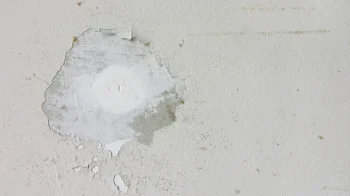
Paint applied too early traps this moisture beneath the surface. As it tries to escape, it causes paint failure. Allowing materials to dry and settle protects the paint job and ensures proper adhesion.
-
Painting Interior Drywall in New Homes
New drywall contains moisture from joint compound and texture applications. While walls may feel dry to the touch, moisture can remain inside.
In most cases, interior drywall should cure for at least 30 days before painting. Some builders apply primer during construction, which helps seal surfaces but does not eliminate the need for proper drying.
Schneider Painting checks moisture levels and surface readiness before applying finish coats to ensure even coverage and durability.
-
New Wood Trim and Millwork
Wood trim, doors, and baseboards often come from environments with different humidity levels. After installation, wood needs time to acclimate to the home’s interior conditions.
Painting trim too soon can result in cracking at joints or visible seams as wood shrinks. Waiting 30 to 60 days allows trim to stabilize before painting.
-
Exterior Siding and Wood Surfaces
Exterior wood siding and trim must dry thoroughly before painting. Fresh lumber contains natural moisture that must evaporate.
In Arkansas, humidity slows this process. Most exterior wood should dry for 3 to 6 months before painting. Using a moisture meter helps confirm readiness. Painting too early almost guarantees peeling and blistering.
-
Brick, Masonry, and Concrete Surfaces
Brick and concrete require the longest waiting period. These materials hold moisture deep within and release it slowly.
Brick and masonry typically need 6 to 12 months before being painted. Painting earlier traps moisture and leads to efflorescence, peeling paint, and masonry damage.
Schneider Painting always tests masonry moisture and recommends breathable coatings when painting brick.
-
Builder Primer vs Finish Paint
Many new homes receive a basic builder primer. This primer is not intended as a long-term finish.
Builder primer seals drywall but lacks durability and washability. Finish paint should not be applied until surfaces have properly cured. Repainting too quickly over builder primer without prep can cause adhesion issues.
-
Climate Factors in Northwest Arkansas
Northwest Arkansas weather plays a major role in drying timelines. High humidity, frequent rain, and seasonal temperature swings extend curing times for both interior and exterior surfaces.
Homes built during wet seasons often need more time before painting. Schneider Painting accounts for seasonal conditions when advising homeowners on proper timing.
-
Signs Your New Home Is Ready to Paint
Rather than relying on the calendar alone, look for these indicators:
- No visible moisture stains
- Stable joints with minimal cracking
- Dry surfaces confirmed by moisture testing
- Consistent indoor humidity levels
Professional evaluation ensures painting begins at the right time.
-
What Happens If You Paint Too Soon
Painting prematurely can cause several issues:
- Peeling or bubbling paint
- Cracks at seams and joints
- Uneven sheen and color
- Reduced paint lifespan
These problems often require sanding, priming, and repainting sooner than expected, increasing costs.
-
Can You Speed Up the Waiting Process?
While you cannot eliminate drying time completely, you can help surfaces dry properly by:
- Running HVAC systems consistently
- Using dehumidifiers
- Ensuring proper ventilation
- Avoiding excessive indoor moisture
Schneider Painting provides guidance on preparing your home for painting without rushing the process.
-
Why Professional Evaluation Matters
Every home is different. Construction materials, weather exposure, and build timelines vary. Relying on generic advice often leads to mistakes.
Schneider Painting evaluates surfaces, tests moisture levels, and recommends appropriate primers and paints for new construction homes. This ensures long-lasting results and avoids premature failure.
Why Homeowners Trust Schneider Painting
Schneider Painting has extensive experience working with new construction homes throughout Northwest Arkansas. We understand how local conditions affect drying and curing timelines.
Our team takes a careful approach, ensuring surfaces are truly ready before painting begins. This commitment protects your investment and delivers results that last.
Conclusion
Painting a newly built home requires patience. While it is tempting to personalize your space right away, waiting the appropriate amount of time protects your paint job and your home. Drywall, wood, siding, and masonry all need time to settle and release moisture.
At Schneider Painting, we help homeowners determine the right timing and apply professional finishes that perform long term. If you are considering painting your new home, our team is ready to guide you every step of the way.
Contact Schneider Painting today to schedule a new construction painting consultation.