Introduction
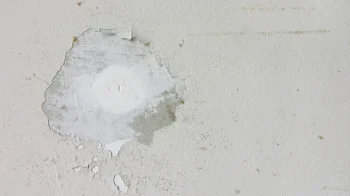
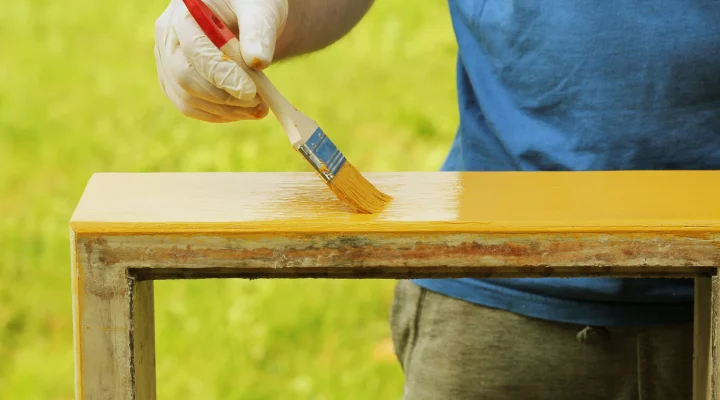
Stained wood adds warmth and character to a home, but styles change and homeowners often want a painted finish instead. One of the most common questions we hear is whether stained wood can be painted without sanding. While skipping sanding may seem like a time saver, it often leads to peeling, chipping, and early paint failure.
At Schneider Painting, we regularly refinish stained cabinets, trim, doors, and built-ins throughout Northwest Arkansas. This guide explains when sanding is necessary, when it can be minimized, and how professionals ensure paint adheres correctly to stained wood.
Why Stained Wood Is Difficult to Paint
Stained wood is typically sealed with polyurethane, lacquer, shellac, or varnish. These finishes are designed to repel moisture and protect the wood. Unfortunately, those same qualities make it difficult for paint to stick.
Paint relies on surface texture and porosity to bond. Smooth, sealed surfaces provide neither. Without proper preparation, paint sits on top rather than adhering, which leads to failure.
Is It Ever Safe to Skip Sanding Completely?
In very limited situations, sanding can be minimized but rarely eliminated. If the stained surface is already worn, dull, or unfinished, paint may adhere with the help of a bonding primer.
However, most stained wood surfaces are sealed and glossy. In these cases, skipping sanding almost always results in peeling or chipping within months. Even products marketed as no-sand solutions still require surface abrasion for reliable results.
The Role of Sanding in Paint Adhesion
Sanding creates microscopic scratches that allow primer and paint to grip the surface. This mechanical bond is essential for long-term durability.
Light sanding is usually sufficient. The goal is not to remove all stain, but to dull the finish and eliminate gloss. Schneider Painting uses fine-grit sandpaper or professional sanding tools to prepare surfaces evenly without damaging the wood.
What Happens If You Paint Without Sanding
Painting directly over stained wood without prep often leads to:
- Peeling and chipping paint
- Poor coverage and uneven sheen
- Visible brush or roller marks
- Reduced lifespan of the paint job
These issues typically require stripping, sanding, and repainting, which costs more than proper preparation from the start.
Using Bonding Primer on Stained Wood
Bonding primers are designed to adhere to slick surfaces, including stained and sealed wood. While these primers are effective, they still require surface preparation to perform correctly.
Light sanding combined with a high-quality bonding primer creates a strong foundation for paint. Schneider Painting selects primers based on the existing finish and wood condition to ensure compatibility and durability.
Cabinets, Trim, and Doors Require Extra Care
High-touch surfaces like cabinets, doors, and trim experience frequent use. Paint on these areas must withstand constant contact.
Skipping sanding on these surfaces almost guarantees failure. Professional preparation includes cleaning, degreasing, sanding, priming, and controlled application to produce a finish that holds up to daily use.
Cleaning Is Not a Substitute for Sanding
Some homeowners believe cleaning alone is enough to prepare stained wood. While cleaning removes grease and residue, it does not create the texture needed for paint adhesion.
Degreasing is an important step, especially in kitchens, but it must be paired with sanding and priming for lasting results.
How Professionals Minimize Sanding Without Skipping Prep
Professional painters use methods that reduce dust and disruption while still preparing surfaces correctly. These include:
- Light scuff sanding instead of aggressive sanding
- Dust-controlled sanding equipment
- Chemical deglossers used alongside sanding
- Proper primer selection
These techniques balance efficiency with durability.
When Stripping Is Necessary
In rare cases, heavy buildup of old finishes or flaking coatings may require stripping. This is more common on older woodwork with multiple layers of finish.
Schneider Painting evaluates whether stripping is necessary or if sanding and priming will suffice. Our goal is always to choose the least invasive method that delivers lasting results.
Why Professional Prep Saves Money
Skipping sanding often leads to repainting sooner than expected. Paint failure means additional labor, materials, and disruption.
Professional preparation extends the life of your paint job by years. While sanding may add time upfront, it significantly reduces long-term costs.
Why Northwest Arkansas Homes Need Proper Prep
Humidity and temperature changes in Northwest Arkansas increase the risk of paint failure on improperly prepared surfaces. Wood expands and contracts with moisture changes, placing extra stress on paint adhesion.
Schneider Painting accounts for these conditions by using proven prep methods and products designed for local environments.
Why Homeowners Choose Schneider Painting
Schneider Painting brings experience, precision, and attention to detail to every refinishing project. We do not rely on shortcuts or marketing claims. Our process is built on proper preparation, correct products, and skilled application.
From cabinets to trim to stained wood ceilings, we deliver finishes that look great and last.
Conclusion
Painting over stained wood without sanding is rarely a good idea. Stain and clear finishes create a barrier that paint cannot bond to without proper preparation. Light sanding paired with the correct primer is the key to long-lasting results.
At Schneider Painting, we evaluate each surface and follow a proven process to ensure paint adheres properly and performs for years. If you are considering painting stained wood in your home, our team is ready to help.
Contact Schneider Painting today to schedule a professional evaluation and refinishing consultation.